-
Out of stock
 an enamel lapel pin with DHĪḤ, the seed syllable of Manjushri, bodhisattva of wisdom
 -

(電子版。 僅限中國大陸學生購買。 Digital edition for China Mainland students only)
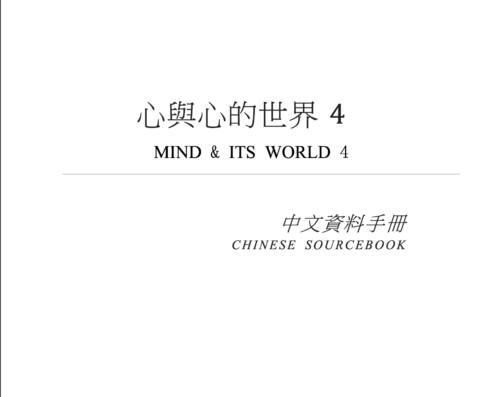
佛 性
中文資料手冊 (上冊)
BUD 630 佛性 如來的明光心 教 授 : 阿闍黎喇嘛滇巴嘉誠 Acharya Lama Tenpa Gyaltsen 卡爾‧布倫霍爾茲 Karl Brunnhölzl -
中国大陆的学生请在此处订购电子版: 电子版
該手冊作為由竹慶本樂仁波切指導下的了義學院課程資料而出版。 《心與心的世界 4》中文資料手冊,2026年1月初稿 © 2026 了義學院 版權所有。未經書面許可,不得以任何方式改編或複製本書的任何部分。以下為原英文版權頁。 Mind & Its World 4 Sourcebook © 2024 Nītārtha Institute -

- The hardcopy book is shipped from the US. International customers may wish to explore local booksellers, Shambala Publications, or Amazon to save on shipping cost.
Author: Mitra Dr. Karl Brunnhölzl
A guide to the famous Heart Sūtra that reveals the tenderness and compassion underlying the striking rhetoric of this popular Buddhist text The radical message of the Heart Sūtra, one of Buddhism’s most famous texts, is a sweeping attack on everything we hold most dear: our troubles, the world as we know it, even the teachings of the Buddha himself. Several of the Buddha’s followers are said to have suffered heart attacks and died when they first heard its assertion of the basic groundlessness of our existence—hence the title of this book. Overcoming fear, the Buddha teaches, is not to be accomplished by shutting down or building walls around oneself, but instead by opening up to understand the illusory nature of everything we fear—including ourselves. In this book of teachings, Karl Brunnhölzl guides practitioners through this ‘crazy’ sutra to the wisdom and compassion that lie at its core. Karl Brunnhölzl, MD, was trained as a physician and also studied Tibetology. He received his systematic training in Tibetan language and Buddhist philosophy and practice at the Marpa Institute for Translators, founded by Khenpo Tsultrim Gyamtso Rinpoche. Since 1989 he has been a translator and interpreter from Tibetan and English. He is presently involved with the Nitartha Institute as a teacher and translator. -
- The hardcopy book is shipped from the US. International customers may wish to explore local booksellers, Shambala Publications, or Amazon to save on shipping cost.
Translator: Mitra Dr. Karl Brunnhölzl
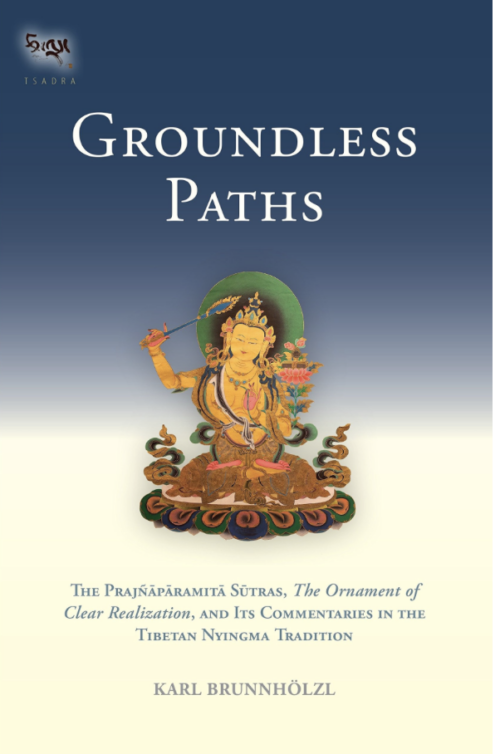
The Abhisamayalamkara summarizes all the topics in the vast body of the praj aparamita sutras. Resembling a zip-file, it comes to life only through its Indian and Tibetan commentaries. Together, these texts not only discuss the "hidden meaning" of the praj aparamita sutras--the paths and bhumis of sravakas, pratyekabuddhas, and bodhisattvas--but also serve as contemplative manuals for the explicit topic of these sutras--emptiness--and how it is to be understood on the progressive levels of realization of bodhisattvas. Thus these texts describe what happens in the mind of a bodhisattva who meditates on emptiness, making it a living experience from the beginner's stage up through buddhahood.
Groundless Paths contains the first in-depth study of the Abhisamayalamkara (the text studied most extensively in higher Tibetan Buddhist education) and its commentaries from the perspective of the Nyingma School of Tibetan Buddhism. This study consists mainly of translations of Maitreya's famous text and two commentaries on it by Patrul Rinpoche. These are supplemented by three short texts on the paths and bhumis by the same author, as well as extensive excerpts from commentaries by six other Nyingma masters, including Mipham Rinpoche. Thus this book helps close a long-standing gap in the modern scholarship on the praj aparamita sutras and the literature on paths and bhumis in mahayana Buddhism.
Arya Maitreya's Ornament of Clear Realization, with its Indian and Tibetan commentaries, presents the complex dynamics of the path to liberation as a succession of realizations of the empty nature of all phenomena. This presentation is a powerful antidote to whatever two-dimensional views we might hold about spiritual experience and the journey to enlightenment.
Karl Brunnhölzl, MD, was trained as a physician and also studied Tibetology. He received his systematic training in Tibetan language and Buddhist philosophy and practice at the Marpa Institute for Translators, founded by Khenpo Tsultrim Gyamtso Rinpoche. Since 1989 he has been a translator and interpreter from Tibetan and English. He is presently involved with the Nitartha Institute as a teacher and translator.
-
- The hardcopy book is shipped from the US. International customers may wish to explore local booksellers, Shambala Publications, or Amazon to save on shipping cost.
Translator: Mitra Dr. Karl Brunnhölzl
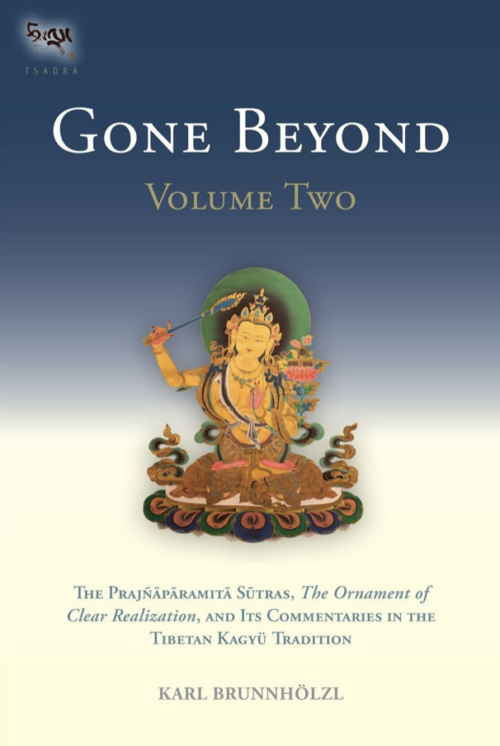
The Abhisamayalamkara summarizes all the topics in the vast body of the Prajnaparamita Sutras. Resembling a zip-file, it comes to life only through its Indian and Tibetan commentaries. Together, these texts not only discuss the "hidden meaning" of the Prajnaparamita Sutras—the paths and bhumis of sravakas, pratyekabuddhas, and bodhisattvas—but also serve as contemplative manuals for the explicit topic of these sutras—emptiness—and how it is to be understood on the progressive levels of realization of bodhisattvas. Thus these texts describe what happens in the mind of a bodhisattva who meditates on emptiness, making it a living experience from the beginner's stage up through buddhahood. Gone Beyond contains the first in-depth study of the Abhisamayalamkara (the text studied most extensively in higher Tibetan Buddhist education) and its commentaries in the Kagyu School. This study (in two volumes) includes translations of Maitreya's famous text and its commentary by the Fifth Shamarpa Goncho Yenla (the first translation ever of a complete commentary on the Abhisamayalamkara into English), which are supplemented by extensive excerpts from the commentaries by the Third, Seventh, and Eighth Karmapas and others. Thus it closes a long-standing gap in the modern scholarship on the Prajnaparamita Sutras and the literature on paths and bhumis in mahayana Buddhism. The first volume presents an English translation of the first three chapters of the Abhisamayalamkara and its commentary by the Fifth Shamarpa. The second volume presents an English translation of the final five chapters and its commentary by the Fifth Shamarpa. Karl Brunnhölzl, MD, was trained as a physician and also studied Tibetology. He received his systematic training in Tibetan language and Buddhist philosophy and practice at the Marpa Institute for Translators, founded by Khenpo Tsultrim Gyamtso Rinpoche. Since 1989 he has been a translator and interpreter from Tibetan and English. He is presently involved with the Nitartha Institute as a teacher and translator. -
- The hardcopy book is shipped from the US. International customers may wish to explore local booksellers, Shambala Publications, or Amazon to save on shipping cost.
Translator: Mitra Dr. Karl Brunnhölzl
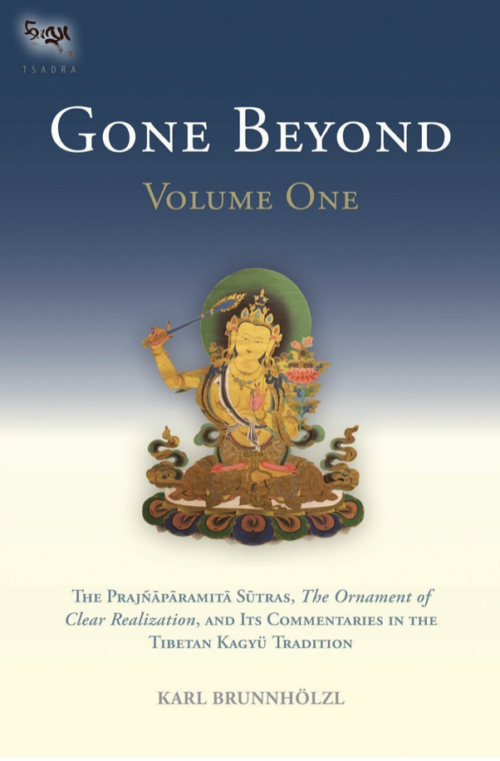
The Abhisamayalamkara summarizes all the topics in the vast body of the Prajnaparamita Sutras. Resembling a zip-file, it comes to life only through its Indian and Tibetan commentaries. Together, these texts not only discuss the "hidden meaning" of the Prajnaparamita Sutras—the paths and bhumis of sravakas, pratyekabuddhas, and bodhisattvas—but also serve as contemplative manuals for the explicit topic of these sutras—emptiness—and how it is to be understood on the progressive levels of realization of bodhisattvas. Thus these texts describe what happens in the mind of a bodhisattva who meditates on emptiness, making it a living experience from the beginner's stage up through buddhahood. Gone Beyond contains the first in-depth study of the Abhisamayalamkara (the text studied most extensively in higher Tibetan Buddhist education) and its commentaries in the Kagyu School. This study (in two volumes) includes translations of Maitreya's famous text and its commentary by the Fifth Shamarpa Goncho Yenla (the first translation ever of a complete commentary on the Abhisamayalamkara into English), which are supplemented by extensive excerpts from the commentaries by the Third, Seventh, and Eighth Karmapas and others. Thus it closes a long-standing gap in the modern scholarship on the Prajnaparamita Sutras and the literature on paths and bhumis in mahayana Buddhism. The first volume presents an English translation of the first three chapters of the Abhisamayalamkara and its commentary by the Fifth Shamarpa. The second volume presents an English translation of the final five chapters and its commentary by the Fifth Shamarpa. Karl Brunnhölzl, MD, was trained as a physician and also studied Tibetology. He received his systematic training in Tibetan language and Buddhist philosophy and practice at the Marpa Institute for Translators, founded by Khenpo Tsultrim Gyamtso Rinpoche. Since 1989 he has been a translator and interpreter from Tibetan and English. He is presently involved with the Nitartha Institute as a teacher and translator. -
A commentary by Āchārya Lama Tenpa Gyaltsen
This series (Introduction to Topic 8) presents Maitreya’s Ornament of Clear Realization based on the commentary by the eighth Karmapa Mikyö Dorje, Relief of the Noble Ones. Maitreya’s work is the central Mahayana text on the stages of the path and their fruition, for both the Hinayana and Mahayana. It is traditionally summarized in seventy points, or more generally in eight chapters. Whereas the Madhyamaka literature presents the explicit meaning of the Prajnaparamita Sutras, the subject matter of the Abhisamayalamkara is the hidden or implied meaning: the various stages of bodhisattvas, shravakas, and pratyekabuddhas on the path of the meditation on emptiness, from the stage of beginner up through buddhahood. Includes root text by Maitreya and commentary by Mikyö Dorje, translated by Mitra Dr. Karl Brunnhölzl. -
A commentary by Ācārya Lama Tenpa Gyaltsen
This series (Introduction to Topic 8) presents Maitreya’s Ornament of Clear Realization based on the commentary by the eighth Karmapa Mikyö Dorje, Relief of the Noble Ones. Maitreya’s work is the central Mahayana text on the stages of the path and their fruition, for both the Hinayana and Mahayana. It is traditionally summarized in seventy points, or more generally in eight chapters. Whereas the Madhyamaka literature presents the explicit meaning of the Prajnaparamita Sutras, the subject matter of the Abhisamayalamkara is the hidden or implied meaning: the various stages of bodhisattvas, shravakas, and pratyekabuddhas on the path of the meditation on emptiness, from the stage of beginner up through buddhahood. Includes root text by Maitreya and commentary by Mikyö Dorje, translated by Mitra Dr. Karl Brunnhölzl.