-
 A commentary by Āchārya Lama Tenpa Gyaltsen
 -
 Commentary on the Feast for the Fortunate Grounds 1-5 and Part I of Ground 6, by Dzogchen Ponlop Rinpoche, 2004. 387 pgs, Binder format. This is part the Nitartha Advanced Curriculum.
 -
 The commentary, Feast for the Fortunate, is the ninth Karmapa’s abridgement of the eighth Karmapa, Mikyö Dorje’s masterpiece, The Chariot of the Takpo Kagyü Siddhas. In it readers will find previously unavailable material on the Karmapa’s Middle Way view and a rare window into a philosophically charged era of Middle Way exposition in Tibetan Buddhism. Wangchuk Dorje’s comprehensive commentary on the Indian master Chandrakirti’s seminal text, the Madhyamakavatara, is marked by eloquent poetry, vigorous and extensive analysis, and heart instructions on breaking through the veils of confusion to independently experience the true nature of things. Includes root text and commentary by the ninth Karmapa Rangjung Dorje, translated by Tyler Dewar.
 -
 Commentary: This text is published as part of the Nītārtha Institute study program directed by The Dzogchen Ponlop Rinpoche. Commentary on In Praise of Dharmadhātu © 2009 by The Dzogchen Ponlop Rinpoche and Nītārtha international. Root Text: Root stanzas from first edition draft translation of In Praise of Dharmadhātu translated by Karl Brunnhölzl. © 2005 Karl Brunnhölzl and Nītārtha Institute.
 -
A commentary by Ācārya Lama Tenpa Gyaltsen
-
Commentary by Dzogchen Ponlop Rinpoche
This series explicates one of the principal Indian classics of the Madhyamaka tradition, Chandrakirti’s Madhyamakavatara (Entrance to the Middle Way), along with the Kagyü commentary by the eighth Karmapa, The Chariot of the Dakpo Kagyüs. These transcripts cover the Madhyamakavatara’s eleven chapters, which correlate with the ten bhumis (grounds) and the ten paramitas (perfections), plus the ultimate bhumi of buddhahood. The focus is particularly on the sixth chapter of the Madhyamakavatara, which discusses prajna (transcendental knowledge) and its realization of emptiness. Main topics include the selflessness of phenomena and the individual, and the impossibility of finding a self anywhere with the range of phenomenal experience. Includes root text by Chandrakirti and commentary by Mikyö Dorje, translated by Elizabeth M. Callahan. -
Commentary by Dzogchen Ponlop Rinpoche
This series explicates one of the principal Indian classics of the Madhyamaka tradition, Chandrakirti’s Madhyamakavatara (Entrance to the Middle Way), along with the Kagyü commentary by the eighth Karmapa, The Chariot of the Dakpo Kagyüs. These transcripts cover the Madhyamakavatara’s eleven chapters, which correlate with the ten bhumis (grounds) and the ten paramitas (perfections), plus the ultimate bhumi of buddhahood. The focus is particularly on the sixth chapter of the Madhyamakavatara, which discusses prajna (transcendental knowledge) and its realization of emptiness. Main topics include the selflessness of phenomena and the individual, and the impossibility of finding a self anywhere with the range of phenomenal experience. Includes root text by Chandrakirti and commentary by Mikyö Dorje, translated by Elizabeth M. Callahan. -
Commentary by Dzogchen Ponlop Rinpoche
This series explicates one of the principal Indian classics of the Madhyamaka tradition, Chandrakirti’s Madhyamakavatara (Entrance to the Middle Way), along with the Kagyü commentary by the eighth Karmapa, The Chariot of the Dakpo Kagyüs. These transcripts cover the Madhyamakavatara’s eleven chapters, which correlate with the ten bhumis (grounds) and the ten paramitas (perfections), plus the ultimate bhumi of buddhahood. The focus is particularly on the sixth chapter of the Madhyamakavatara, which discusses prajna (transcendental knowledge) and its realization of emptiness. Main topics include the selflessness of phenomena and the individual, and the impossibility of finding a self anywhere with the range of phenomenal experience. Includes root text by Chandrakirti and commentary by Mikyö Dorje, translated by Elizabeth M. Callahan. -
Commentary by Dzogchen Ponlop Rinpoche
This series explicates one of the principal Indian classics of the Madhyamaka tradition, Chandrakirti’s Madhyamakavatara (Entrance to the Middle Way), along with the Kagyü commentary by the eighth Karmapa, The Chariot of the Dakpo Kagyüs. These transcripts cover the Madhyamakavatara’s eleven chapters, which correlate with the ten bhumis (grounds) and the ten paramitas (perfections), plus the ultimate bhumi of buddhahood. The focus is particularly on the sixth chapter of the Madhyamakavatara, which discusses prajna (transcendental knowledge) and its realization of emptiness. Main topics include the selflessness of phenomena and the individual, and the impossibility of finding a self anywhere with the range of phenomenal experience. Includes root text by Chandrakirti and commentary by Mikyö Dorje, translated by Elizabeth M. Callahan. -
 Commentary on THE OCEAN OF TEXTS ON REASONING Chapters One & Two The Dzogchen Ponlop Rinpoche & Āchārya Lama Tenpa Gyaltsen Oral Translation by Tyler Dewar Root Text Translation by Tyler Dewar Nītārtha Institute 2008
 -
This edition is no longer available.
A New and Updated Edition of this Text Is Now Available Here: https://publications.nitarthainstitute.org/product/2025-commentary-on-the-sa%e1%b9%83dhinirmocana-sutra-chapters-one-through-five-chapter-eight/ -
 This expanded second edition features the profound oral commentary by Dzogchen Ponlop Rinpoche on the Saṃdhinirmocana Sūtra (Unraveling the Intent of the Buddha), a crucial sūtra for the Yogācāra tradition. This transcript now includes Rinpoche's teachings on the prologue, the first five chapters, which illuminate the five defining characteristics of ultimate reality and the presentation of the all-base consciousness, as well as Chapter Eight, which delves into the topic of meditation. Presented with remarkable clarity and detail, Rinpoche's commentary is accompanied by the oral translation of Mitra Tyler Dewar and the root text translation by Gregory Forgues. This edition is published with the generous patronage and supervision of 84000: Translating the Words of the Buddha, ensuring the accuracy and accessibility of this vital text.
 -
A commentary by Dzogchen Ponlop Rinpoche
This series (Introduction to Topic 8) presents Maitreya’s Ornament of Clear Realization based on the commentary by the eighth Karmapa Mikyö Dorje, Relief of the Noble Ones. Maitreya’s work is the central Mahayana text on the stages of the path and their fruition, for both the Hinayana and Mahayana. It is traditionally summarized in seventy points, or more generally in eight chapters. Whereas the Madhyamaka literature presents the explicit meaning of the Prajnaparamita Sutras, the subject matter of the Abhisamayalamkara is the hidden or implied meaning: the various stages of bodhisattvas, shravakas, and pratyekabuddhas on the path of the meditation on emptiness, from the stage of beginner up through buddhahood. Includes root text by Maitreya and commentary by Mikyö Dorje, translated by Mitra Dr. Karl Brunnhölzl. -
A commentary by Ācārya Lama Tenpa Gyaltsen
This series (Introduction to Topic 8) presents Maitreya’s Ornament of Clear Realization based on the commentary by the eighth Karmapa Mikyö Dorje, Relief of the Noble Ones. Maitreya’s work is the central Mahayana text on the stages of the path and their fruition, for both the Hinayana and Mahayana. It is traditionally summarized in seventy points, or more generally in eight chapters. Whereas the Madhyamaka literature presents the explicit meaning of the Prajnaparamita Sutras, the subject matter of the Abhisamayalamkara is the hidden or implied meaning: the various stages of bodhisattvas, shravakas, and pratyekabuddhas on the path of the meditation on emptiness, from the stage of beginner up through buddhahood. Includes root text by Maitreya and commentary by Mikyö Dorje, translated by Mitra Dr. Karl Brunnhölzl. -
A commentary by Āchārya Lama Tenpa Gyaltsen
This series (Introduction to Topic 8) presents Maitreya’s Ornament of Clear Realization based on the commentary by the eighth Karmapa Mikyö Dorje, Relief of the Noble Ones. Maitreya’s work is the central Mahayana text on the stages of the path and their fruition, for both the Hinayana and Mahayana. It is traditionally summarized in seventy points, or more generally in eight chapters. Whereas the Madhyamaka literature presents the explicit meaning of the Prajnaparamita Sutras, the subject matter of the Abhisamayalamkara is the hidden or implied meaning: the various stages of bodhisattvas, shravakas, and pratyekabuddhas on the path of the meditation on emptiness, from the stage of beginner up through buddhahood. Includes root text by Maitreya and commentary by Mikyö Dorje, translated by Mitra Dr. Karl Brunnhölzl. -
A commentary by Dzogchen Ponlop Rinpoche
This series (Introduction to Topic 8) presents Maitreya’s Ornament of Clear Realization based on the commentary by the eighth Karmapa Mikyö Dorje, Relief of the Noble Ones. Maitreya’s work is the central Mahayana text on the stages of the path and their fruition, for both the Hinayana and Mahayana. It is traditionally summarized in seventy points, or more generally in eight chapters. Whereas the Madhyamaka literature presents the explicit meaning of the Prajnaparamita Sutras, the subject matter of the Abhisamayalamkara is the hidden or implied meaning: the various stages of bodhisattvas, shravakas, and pratyekabuddhas on the path of the meditation on emptiness, from the stage of beginner up through buddhahood. Includes root text by Maitreya and commentary by Mikyö Dorje, translated by Mitra Dr. Karl Brunnhölzl. -
A commentary by Ācārya Kelsang Wangdi
-
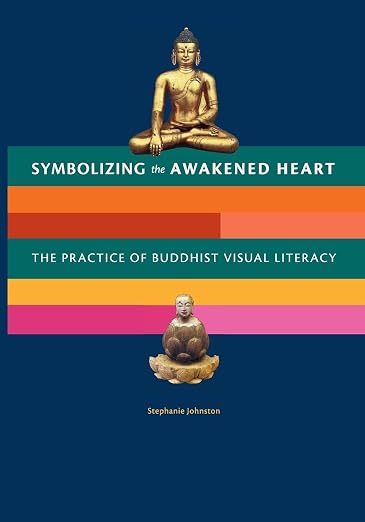 About This Book The idea of this book is twofold: to lay the found-ations for understanding and recognizing basic symbols of enlightenment and awakening in a Buddhist context. And, how understanding and recognizing those are processes of awakening in and of themselves. After an introduction to the topic of Buddhist visual literacy, in Part One you will find the core skills necessary for reading art in a Buddhist way: the inevitability of symbolism, its range of use and the mechanics of it in a Buddhist context. Part Two is a visual primer for ident-ifying meaning in the symbolic elements of Buddhist art. Topics are connected in a spiral and sequential way, with key ideas being presented and refined as they are re-visited and applied throughout the book. Part Three brings everything together in hands-on application. This final layer of method guides you in experimenting, sleuthing, and applying these skills to a series of different works. This is Interactive Necessarily, this book invites you to interact. Without personally experienced exploration the insight and inspiration that emerges from a good Buddhist art-based reading encounter, one that sparkles with awakening, can be elusive. So, topic specific experiments, investigations, and questions appear throughout. The joy of discovery lies in engagement, as such, please allow yourself the time and space to try them out. Many are short and can be done at home or taken into the field-for instance, to a museum, a bus stop, on a walk, while shopping, into any situation pretty much-and are more revealing when repeated over time. Contents Guide Introduction: Creativity and the Arts provides the historical and traditional landscape for Buddhist visual literacy, symbolism, and the art of creativity as a means to connect to awakening. It is grounded in the topics associated with Tibetan Buddhist higher education. Based in that grounding, Part One: The Power to Illuminate focuses on the how of art having the power to illuminate. It outlines the mechanics of meaning based on symbols. Part Two: What Does Awake Look Like? explores: What does awake look like and how is it portrayed? Key episodes in Shakyamuni Buddha's life are presented to reveal the vocabulary of its symbolism, a necessity for reading Buddhist art. Part Three: Sleuthing for Awakening demonstrates how the materials from Parts One and Two work together through doing. Guided explorations and experiments bring the skills and tools of Buddhist visual literacy to bear on reading and investigating twelve different artworks. Resources provides supports for this material. Valuable context for the life of the Buddha and Buddhism is given by the contemporary teacher, artist, and writer, Dzogchen Ponlop Rinpoche. In addition, a topical bibliography is offered as an assist to further exploration and research into the ideas and themes of this book. By the end of this adventure I hope you will have a good sense of Buddhist visual literacy in action. And, that insightful experiences and playful discoveries abound along the way-within this book and without.
 -
- The hardcopy book is shipped from the US. International customers may wish to explore local booksellers, Shambala Publications, or Amazon to save on shipping cost, or purchase the Kindle edition.
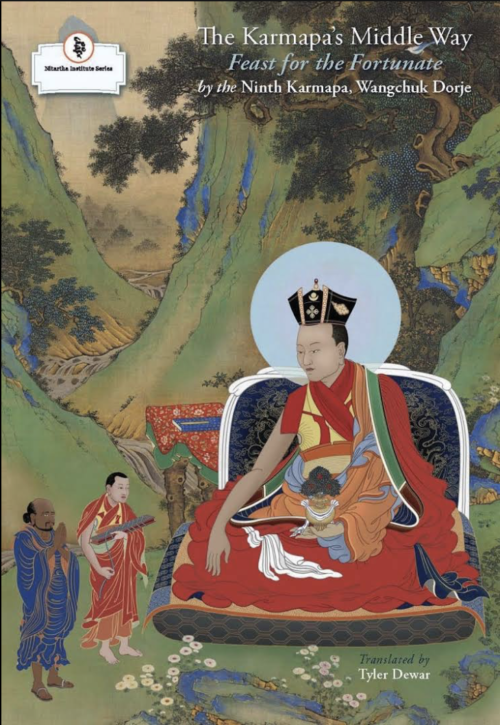
Author: Wangchuk Dorje Translator: Tyler Dewar
Marked by eloquent poetry, vigorous and extensive analysis and heart instructions on breaking through the veils of confusion to independently experience the true nature of things, The Karmapa's Middle Way contains the Ninth Karmapa Wangchuk Dorje's comprehensive commentary on the Indian master Chandrakirti's seminal text, the Madhyamakavatara or Entrance to the Middle Way. This commentary, Feast for the Fortunate, is the Ninth Karmapa's abridgement of the Eighth Karmapa Mikyo Dorje's masterpiece, the Chariot of the Takpo Kagyu Siddhas. In it, readers will find previously unavailable material on the Karmapa's Middle Way view and a rare window into a philosophically charged era of Middle Way exposition in Tibetan Buddhism. Chandrakirti and the Karmapa present in precise detail the vital Buddhist concept of emptiness through which the Mahayana path of compassionate altruism becomes complete. Introductory material, copious footnotes, appendices, and a reader-centric approach to the language will make this volume equally accessible to the seasoned scholar of Indo-Tibetan Buddhism and the newly curious nonspecialist alike.