-
A commentary by Acharya Sherab Gyaltsen
Root verses and commentary on An Exposition Of The Presentation of the Philosophical Systems of the Great Vehicle An Exposition that Reveals the Presentation of the Philosophical Systems of the Chittamatrikas of the Great Vehicle by Dzogchen Ponlop Rinpoche. Translated by Karl Brunnhölzl, Tyler Dewar, and Scott Wellenbach. -
A commentary by Āchārya Lama Tenpa Gyaltsen
This series (Introduction to Topic 8) presents Maitreya’s Ornament of Clear Realization based on the commentary by the eighth Karmapa Mikyö Dorje, Relief of the Noble Ones. Maitreya’s work is the central Mahayana text on the stages of the path and their fruition, for both the Hinayana and Mahayana. It is traditionally summarized in seventy points, or more generally in eight chapters. Whereas the Madhyamaka literature presents the explicit meaning of the Prajnaparamita Sutras, the subject matter of the Abhisamayalamkara is the hidden or implied meaning: the various stages of bodhisattvas, shravakas, and pratyekabuddhas on the path of the meditation on emptiness, from the stage of beginner up through buddhahood. Includes root text by Maitreya and commentary by Mikyö Dorje, translated by Mitra Dr. Karl Brunnhölzl. -

电子版 仅限中国大陆学生
新版《心與心的世界1》和《心與心的世界2》對應英文版的兩本同名手冊,兩本加起來是對堪布仁波切所著的原典《心的科學:邏輯海典心髓》的完整的釋論。新版替代2021中文版的《心的科學:邏輯海典心髓釋論》。新版按照英文版編排,並增加了阿闍黎謝拉布嘉誠的釋論,和每課後的分析式禪修和聞思題。《心與心的世界2》繼續以《心的科學:邏輯海典心髓》為原典探索兩大主題,1)概念心和非概念心如何認知各自的對境,為這個心的日常體驗提供敘述性語言,從而有助於清晰辨認心的運作和陷入迷惑的方式。2)心王和五十一心所的闡說。每一課包括課外閱讀、分析式禪修、聞思題。 -
 A commentary by Dzogchen Ponlop Rinpoche.
 -
Commentary by Dzogchen Ponlop Rinpoche
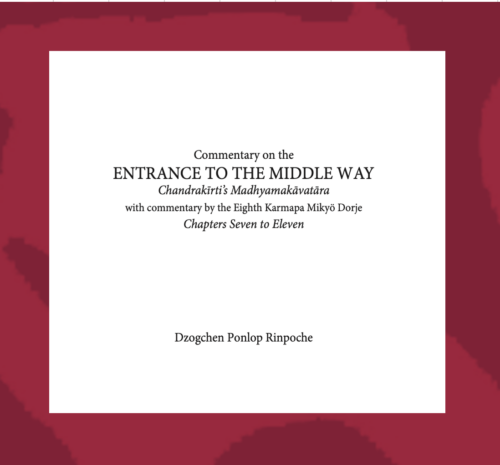
This series explicates one of the principal Indian classics of the Madhyamaka tradition, Chandrakirti’s Madhyamakavatara (Entrance to the Middle Way), along with the Kagyü commentary by the eighth Karmapa, The Chariot of the Dakpo Kagyüs. These transcripts cover the Madhyamakavatara’s eleven chapters, which correlate with the ten bhumis (grounds) and the ten paramitas (perfections), plus the ultimate bhumi of buddhahood. The focus is particularly on the sixth chapter of the Madhyamakavatara, which discusses prajna (transcendental knowledge) and its realization of emptiness. Main topics include the selflessness of phenomena and the individual, and the impossibility of finding a self anywhere with the range of phenomenal experience. Includes root text by Chandrakirti and commentary by Mikyö Dorje, translated by Elizabeth M. Callahan. -
A commentary by Ācārya Lama Tenpa Gyaltsen
-
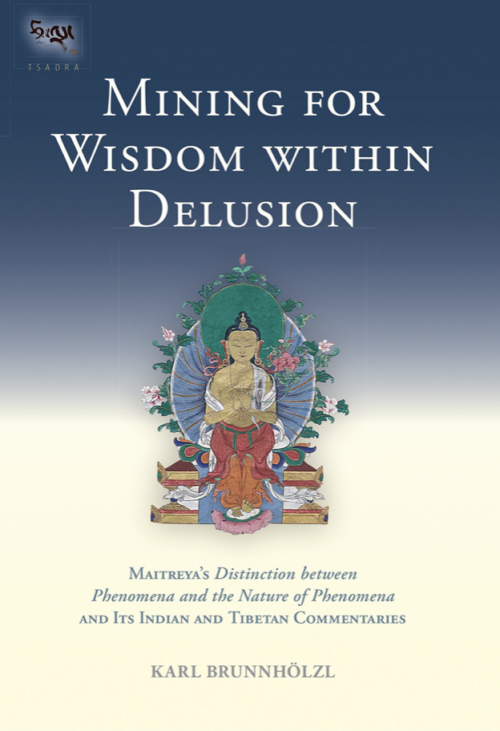
- The hardcopy book is shipped from the US. International customers may wish to explore local booksellers, Shambala Publications, or Amazon to save on shipping cost.
Author: Dr. Mitra Karl Brunnhölzl
Mining for Wisdom within Delusion: Maitreya's "Distinction between Phenomena and the Nature of Phenomena" and Its Indian and Tibetan Commentaries
Maitreya’s Distinction between Phenomena and the Nature of Phenomena distinguishes the illusory phenomenal world of saṃsāra produced by the confused dualistic mind from the ultimate reality that is mind’s true nature. The transition from the one to the other is the process of “mining for wisdom within delusion.” Maitreya’s text calls this “the fundamental change,” which refers to the vanishing of delusive appearances through practicing the path, thus revealing the underlying changeless nature of these appearances. In this context, the main part of the text consists of the most detailed explanation of nonconceptual wisdom—the primary driving force of the path as well as its ultimate result—in Buddhist literature. The introduction of the book discusses these two topics (fundamental change and nonconceptual wisdom) at length and shows how they are treated in a number of other Buddhist scriptures. The three translated commentaries, by Vasubandhu, the Third Karmapa, Rangjung Dorje, and Gö Lotsāwa, as well as excerpts from all other available commentaries on Maitreya’s text, put it in the larger context of the Indian Yogācāra School and further clarify its main themes. They also show how this text is not a mere scholarly document, but an essential foundation for practicing both the sūtrayāna and the vajrayāna and thus making what it describes a living experience. The book also discusses the remaining four of the five works of Maitreya, their transmission from India to Tibet, and various views about them in the Tibetan tradition. -
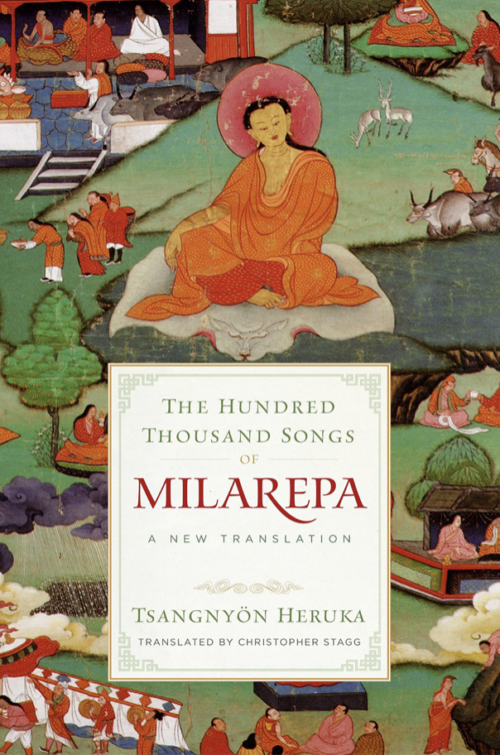
- The hardcopy book is shipped from the US. International customers may wish to explore local booksellers, Shambala Publications, or Amazon to save on shipping cost.
Authors: Tsangnyön Heruka and Milarepa Translator: Christopher Stagg
Christopher Stagg served as a translator and interpreter for the Nitartha Institute and Nalandabodhi, both under the direction of Dzogchen Ponlop Rinpoche. Also trained as a public school music teacher. -
电子版 仅限中国大陆学生购买。所有其他订单将被取消并退款。
新版《心與心的世界1》和《心與心的世界2》對應英文版的兩本同名手冊,兩本加起來是對堪布仁波切所著的原典《心的科學:邏輯海典心髓》的完整的釋論。新版替代2021中文版的《心的科學:邏輯海典心髓釋論》。新版按照英文版編排,並增加了阿闍黎謝拉布嘉誠的釋論,和每課後的分析式禪修和聞思題。《心與心的世界1》詳細分析作為體驗者的這個心,它如何以如實和不如實的方式感知世界,原典《心的科學:邏輯海典心髓》教導心的分類,法教源泉是陳那和法稱的量論學傳統。要點是區分哪些面向的心如實地感知現象本來的樣子,哪些面向的心是錯亂迷惑的,並束縛我們於輪回。手冊還介紹了基礎乘中有部和經部關於二諦和感知理論的宗義思想。每一課包括課外閱讀、分析式禪修、聞思題。 -
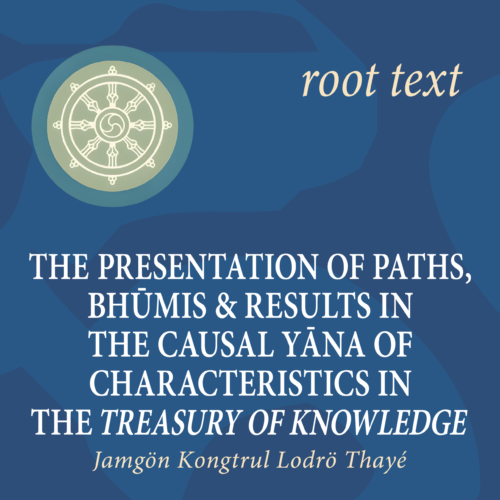
Root text written by Jamgön Kongtrul Lodrö Thayé.
Translated by Karl Brunnhölzl.
-
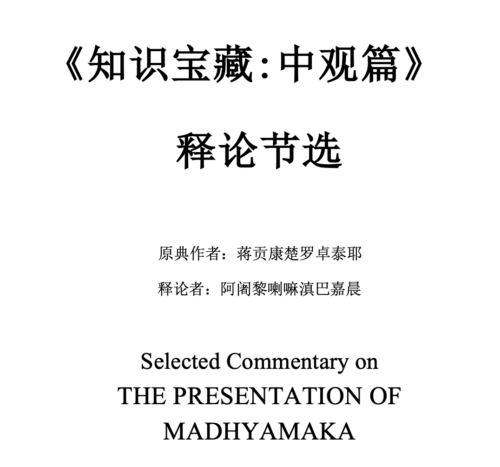
原典作者:蒋贡康楚罗卓泰耶
Author: Jamgön Kongtrül Lodrö Thayé
释论者:阿阇黎喇嘛滇巴嘉晨
Commentary by: Acharya Lama Tenpa Gyaltsen Selections from the Commentary on The Presentation of Madhyamaka in the Treasury of Knowledge中译者:江長华 林霄
Chinese Translation: Changhua Chiang & Michelle Lin Digital edition: https://publications.nitarthainstitute.org/product/%e3%80%8a%e7%9f%a5%e8%af%86%e5%ae%9d%e8%97%8f%e4%b8%ad%e8%a7%82%e7%af%87%e3%80%8b-%e9%87%8a%e8%ae%ba%e8%8a%82%e9%80%89-%e7%ae%80%e4%bd%93-selected-madhyamaka-commentary-in-tok-2/ -
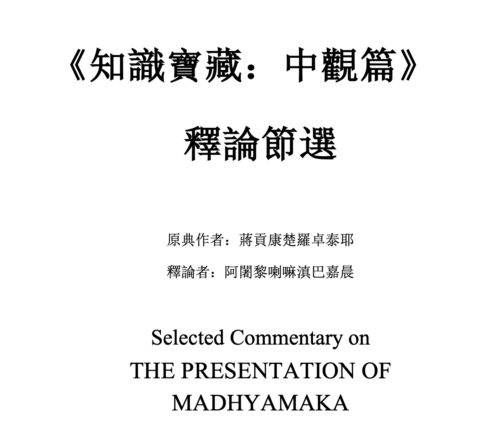
原典作者:蔣貢康楚羅卓泰耶
Author: Jamgön Kongtrül Lodrö Thayé
釋論者:阿闍黎喇嘛滇巴嘉晨 Commentary: Acharya Lama Tenpa Gyaltsen Selections from the Commentary on The Presentation of Madhyamaka in the Treasury of Knowledge中譯者:江長華 林霄Chinese Translation: Changhua Chiang & Michelle Lin -
A commentary by Dzogchen Ponlop Rinpoche
This series (Introduction to Topic 8) presents Maitreya’s Ornament of Clear Realization based on the commentary by the eighth Karmapa Mikyö Dorje, Relief of the Noble Ones. Maitreya’s work is the central Mahayana text on the stages of the path and their fruition, for both the Hinayana and Mahayana. It is traditionally summarized in seventy points, or more generally in eight chapters. Whereas the Madhyamaka literature presents the explicit meaning of the Prajnaparamita Sutras, the subject matter of the Abhisamayalamkara is the hidden or implied meaning: the various stages of bodhisattvas, shravakas, and pratyekabuddhas on the path of the meditation on emptiness, from the stage of beginner up through buddhahood. Includes root text by Maitreya and commentary by Mikyö Dorje, translated by Mitra Dr. Karl Brunnhölzl. -
 Commentary on THE OCEAN OF TEXTS ON REASONING Chapters One & Two The Dzogchen Ponlop Rinpoche & Āchārya Lama Tenpa Gyaltsen Oral Translation by Tyler Dewar Root Text Translation by Tyler Dewar Nītārtha Institute 2008
 -
 Commentary: This text is published as part of the Nītārtha Institute study program directed by The Dzogchen Ponlop Rinpoche. Commentary on In Praise of Dharmadhātu © 2009 by The Dzogchen Ponlop Rinpoche and Nītārtha international. Root Text: Root stanzas from first edition draft translation of In Praise of Dharmadhātu translated by Karl Brunnhölzl. © 2005 Karl Brunnhölzl and Nītārtha Institute.
 -
A commentary on THE GATEWAY THAT REVEALS THE PHILOSOPHICAL SYSTEMS TO FRESH MINDS by Ācārya Sherab Gyaltsen.
-
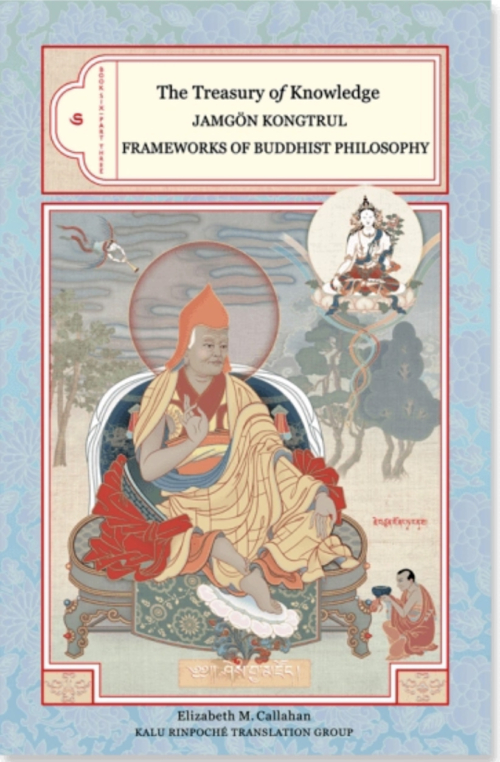
- The hardcopy book is shipped from the US. International customers may wish to explore local booksellers, Shambala Publications, or Amazon to save on shipping cost.
Author: Jamgön Kongtrul Lodrö Thayé Translator: Elizabeth M. Callahan
In Tibetan religious literature, Jamgön Kongtrül's Treasury of Knowledge in ten books stands out as a unique, encyclopedic masterpiece embodying the entire range of Buddhist teachings as it was preserved in Tibet. This volume, Frameworks of Buddhist Philosophy, is his masterful survey of the broad themes and subtle philosophical points found in more than fifteen hundred years of Buddhist philosophical writings. In a clear and systematic manner, he sets out the traditional framework of Buddhism's three vehicles and four philosophical systems, and provides an overview of the key points of each system. His syncretic approach, which emphasizes the strengths of each of the systems and incorporates them into a comprehensive picture of philosophical endeavor, is well-suited for scholar-practitioners who seek awakening through the combination of analytical inquiry and meditation. -
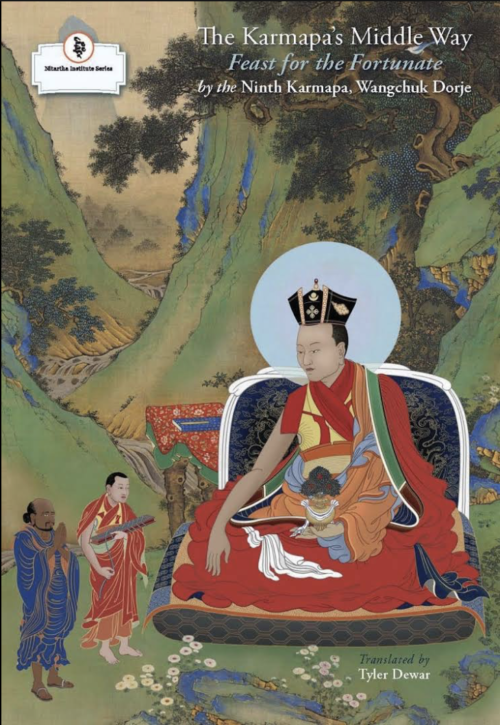
- The hardcopy book is shipped from the US. International customers may wish to explore local booksellers, Shambala Publications, or Amazon to save on shipping cost, or purchase the Kindle edition.
Author: Wangchuk Dorje Translator: Tyler Dewar
Marked by eloquent poetry, vigorous and extensive analysis and heart instructions on breaking through the veils of confusion to independently experience the true nature of things, The Karmapa's Middle Way contains the Ninth Karmapa Wangchuk Dorje's comprehensive commentary on the Indian master Chandrakirti's seminal text, the Madhyamakavatara or Entrance to the Middle Way. This commentary, Feast for the Fortunate, is the Ninth Karmapa's abridgement of the Eighth Karmapa Mikyo Dorje's masterpiece, the Chariot of the Takpo Kagyu Siddhas. In it, readers will find previously unavailable material on the Karmapa's Middle Way view and a rare window into a philosophically charged era of Middle Way exposition in Tibetan Buddhism. Chandrakirti and the Karmapa present in precise detail the vital Buddhist concept of emptiness through which the Mahayana path of compassionate altruism becomes complete. Introductory material, copious footnotes, appendices, and a reader-centric approach to the language will make this volume equally accessible to the seasoned scholar of Indo-Tibetan Buddhism and the newly curious nonspecialist alike. -
新版《心與心的世界1》和《心與心的世界2》對應英文版的兩本同名手冊,兩本加起來是對堪布仁波切所著的原典《心的科學:邏輯海典心髓》的完整的釋論。新版替代2021中文版的《心的科學:邏輯海典心髓釋論》。新版按照英文版編排,並增加了阿闍黎謝拉布嘉誠的釋論,和每課後的分析式禪修和聞思題。《心與心的世界2》繼續以《心的科學:邏輯海典心髓》為原典探索兩大主題,1)概念心和非概念心如何認知各自的對境,為這個心的日常體驗提供敘述性語言,從而有助於清晰辨認心的運作和陷入迷惑的方式。2)心王和五十一心所的闡說。每一課包括課外閱讀、分析式禪修、聞思題。
-
 新版《心与心的世界1》和《心与心的世界2》对应英文版的两本同名手册,两本加起来是对堪布仁波切所著的原典《心的科学:逻辑海典心髓》的完整的释论。新版替代2021中文版的《心的科学:逻辑海典心髓释论》。新版按照英文版编排,并增加了阿阇黎谢拉布嘉诚的释论,和每课后的分析式禅修和闻思题。 《心与心的世界2》继续以《心的科学:逻辑海典心髓》为原典探索两大主题,1)概念心和非概念心如何认知各自的对境,为这个心的日常体验提供叙述性语言,从而有助于清晰辨认心的运作和陷入迷惑的方式。2)心王和五十一心所的阐说。每一课包括课外阅读、分析式禅修、闻思题。
 -
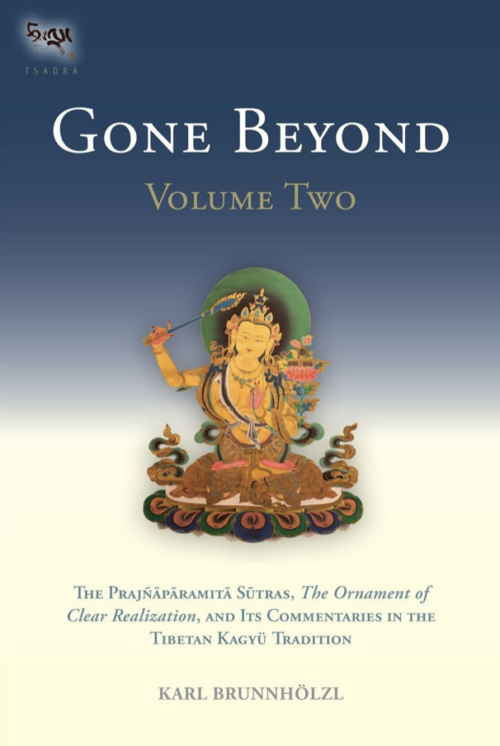
- The hardcopy book is shipped from the US. International customers may wish to explore local booksellers, Shambala Publications, or Amazon to save on shipping cost.
Translator: Mitra Dr. Karl Brunnhölzl
The Abhisamayalamkara summarizes all the topics in the vast body of the Prajnaparamita Sutras. Resembling a zip-file, it comes to life only through its Indian and Tibetan commentaries. Together, these texts not only discuss the "hidden meaning" of the Prajnaparamita Sutras—the paths and bhumis of sravakas, pratyekabuddhas, and bodhisattvas—but also serve as contemplative manuals for the explicit topic of these sutras—emptiness—and how it is to be understood on the progressive levels of realization of bodhisattvas. Thus these texts describe what happens in the mind of a bodhisattva who meditates on emptiness, making it a living experience from the beginner's stage up through buddhahood. Gone Beyond contains the first in-depth study of the Abhisamayalamkara (the text studied most extensively in higher Tibetan Buddhist education) and its commentaries in the Kagyu School. This study (in two volumes) includes translations of Maitreya's famous text and its commentary by the Fifth Shamarpa Goncho Yenla (the first translation ever of a complete commentary on the Abhisamayalamkara into English), which are supplemented by extensive excerpts from the commentaries by the Third, Seventh, and Eighth Karmapas and others. Thus it closes a long-standing gap in the modern scholarship on the Prajnaparamita Sutras and the literature on paths and bhumis in mahayana Buddhism. The first volume presents an English translation of the first three chapters of the Abhisamayalamkara and its commentary by the Fifth Shamarpa. The second volume presents an English translation of the final five chapters and its commentary by the Fifth Shamarpa. Karl Brunnhölzl, MD, was trained as a physician and also studied Tibetology. He received his systematic training in Tibetan language and Buddhist philosophy and practice at the Marpa Institute for Translators, founded by Khenpo Tsultrim Gyamtso Rinpoche. Since 1989 he has been a translator and interpreter from Tibetan and English. He is presently involved with the Nitartha Institute as a teacher and translator. -
Commentary by Dzogchen Ponlop Rinpoche
This series explicates one of the principal Indian classics of the Madhyamaka tradition, Chandrakirti’s Madhyamakavatara (Entrance to the Middle Way), along with the Kagyü commentary by the eighth Karmapa, The Chariot of the Dakpo Kagyüs. These transcripts cover the Madhyamakavatara’s eleven chapters, which correlate with the ten bhumis (grounds) and the ten paramitas (perfections), plus the ultimate bhumi of buddhahood. The focus is particularly on the sixth chapter of the Madhyamakavatara, which discusses prajna (transcendental knowledge) and its realization of emptiness. Main topics include the selflessness of phenomena and the individual, and the impossibility of finding a self anywhere with the range of phenomenal experience. Includes root text by Chandrakirti and commentary by Mikyö Dorje, translated by Elizabeth M. Callahan.